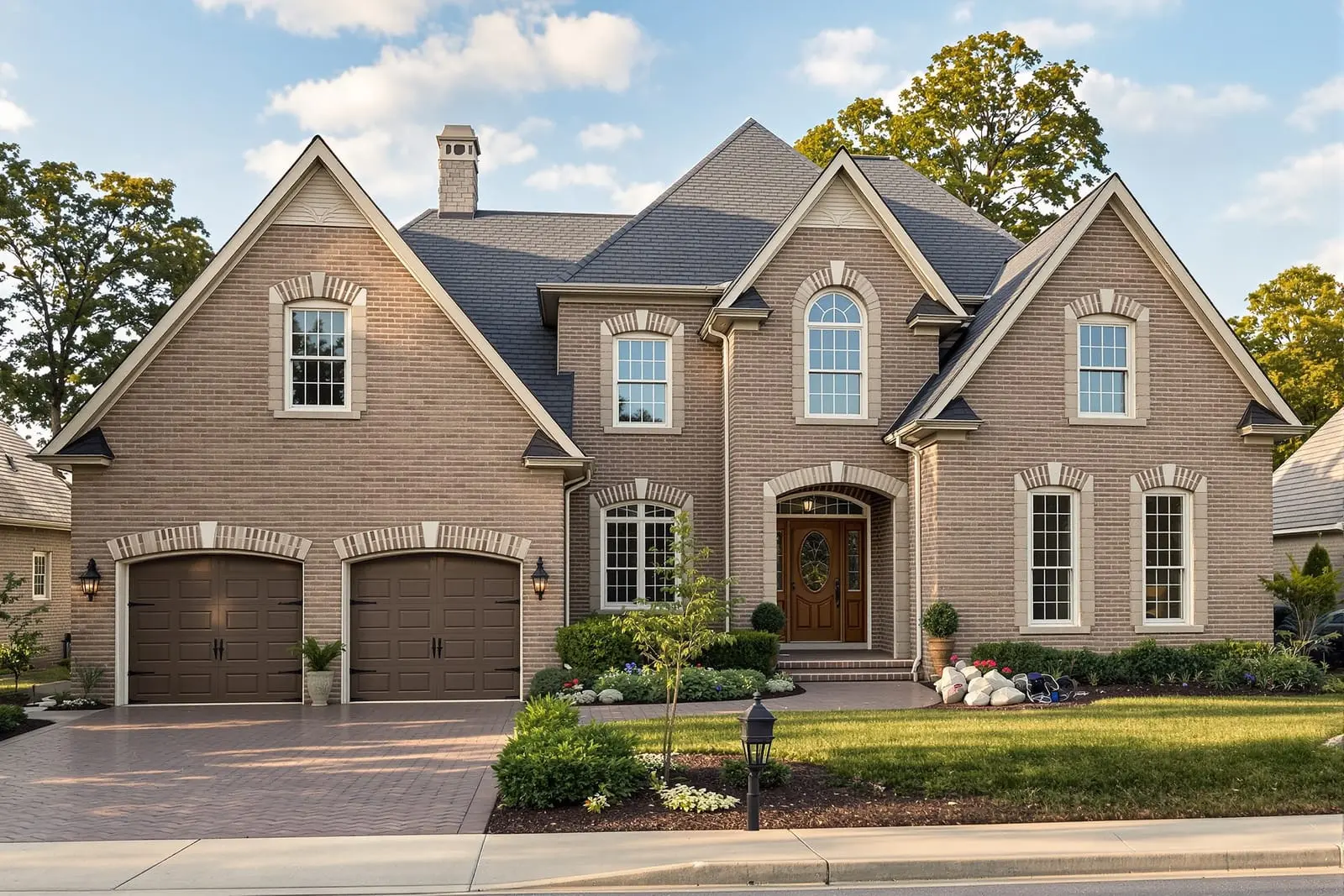
Our tuckpointing services in Valdosta, GA restore worn or cracked mortar joints before they cause structural damage. We carefully remove failing mortar, match the color and profile, and repoint joints for a watertight finish. This process extends the life of your brick or stone masonry and refreshes the overall appearance of your exterior.
Vanguard Masonry Valdosta provides professional tuckpointing throughout Valdosta, GA and the surrounding area. Our licensed, insured crew delivers safe, clean, on-time work with a free estimate before anything begins. Call (229) 544-5605 or request your free quote.
Tuckpointing and Repointing for Valdosta Brick Homes and Businesses
Cracked mortar joints and loose bricks are common sights on older Valdosta buildings. Our hot, humid summers, sudden thunderstorms, and occasional winter freezes all push moisture in and out of masonry. Over time, the mortar joints weaken and open up. Vanguard Masonry Valdosta focuses on tuckpointing and repointing that match the original look of your brickwork while restoring strength and weather protection.
When we talk with local homeowners and property managers, we explain that tuckpointing is not just smearing new mortar over old joints. Done correctly, it is a careful removal and replacement of failing mortar, often with a color-matched base mortar and a fine contrasting line for a crisp, renewed appearance. Repointing typically refers to removing deteriorated mortar and packing in new mortar that matches the existing work so the wall can keep doing its job of keeping water out.
How to Tell If Your Masonry Needs Tuckpointing
Before we recommend any work, Vanguard Masonry Valdosta checks the condition of your mortar up close. In the Valdosta area, there are a few warning signs you can look for yourself. If you rub your finger along a mortar joint and it powders easily, the mortar has likely lost strength. Horizontal cracks that follow the mortar bed joints, especially under windows or along porch walls, often indicate that the joint is no longer sealing out water.
Other common clues are damp interior walls after heavy summer storms, moss or algae at the base of brick walls where water is wicking through, and bricks that sound hollow or move slightly when pressed. On chimneys, look for gaps around the crown, loose bricks near the top, and bits of mortar collecting on the roof or in gutters. If you see any of these, a tuckpointing or repointing assessment is usually a smart next step before the damage spreads deeper into the wall.
Our Step-by-Step Tuckpointing and Repointing Process
Vanguard Masonry Valdosta follows a detailed, repeatable process so the new joints last in our South Georgia climate. We start with a full inspection, sometimes including moisture readings and close-up photos, to determine whether the issue is mainly surface mortar decay or if there are structural concerns like bulging walls or foundation movement.
Once we confirm that tuckpointing or repointing is appropriate, we set up dust control and protect nearby landscaping, windows, and walkways. The first technical step is joint preparation. We carefully grind or chisel out the failing mortar to a consistent depth, typically about 2 to 3 times the width of the joint, without damaging the edges of the bricks. For softer, historic brick we use hand tools more than power tools to avoid chipping.
Next, we clean the joints with brushes and low-pressure air or water so that dust does not weaken the bond. If the masonry is very dry, which is common after a stretch of Valdosta summer heat, we lightly dampen the joints so they do not pull moisture out of the fresh mortar too fast. We then pack in new mortar in layers, compacting each pass to remove voids that could collect water.
If the project calls for true tuckpointing, we first place a base mortar that matches the brick color as closely as possible, then cut in narrow, straight lines of a contrasting mortar to create that sharp, defined joint look. After tooling the joints to match the original profile, we clean the face of the brick and allow proper curing time before any sealing or additional work.
Materials, Color Matching, and Style Choices
Matching the appearance of existing masonry is especially important in neighborhoods across Valdosta where newer additions meet older brickwork. Vanguard Masonry Valdosta keeps a range of sand types and cement blends so we can adjust color and texture. We often take small mortar samples from unobtrusive spots, then create test batches and allow them to dry, since color shifts as the mortar cures.
For older homes with softer brick, especially pre-1950s construction, we may recommend a lime-rich mortar instead of a hard modern mix. This approach allows the joint to flex slightly and helps the mortar, not the brick, take the stress of movement and moisture. For contemporary construction, we usually use Type N or Type S mortars, chosen based on whether the wall is load bearing, exposed to heavy weather, or mostly decorative.
Style decisions include joint profile (concave, flush, raked, or struck) and whether to use a true tuckpointed look with a contrasting finish line. On historic downtown buildings, a fine white or cream tuck line on red brick can restore a classic appearance without making the wall look overly “new.” On residential properties, many clients prefer a subtle match so repaired areas blend seamlessly and do not draw attention.
How Valdosta Weather Affects Timing and Durability
Our local climate matters when scheduling tuckpointing and repointing. Mortar should not dry out too quickly or stay saturated for long periods. During peak Valdosta summer, surface temperatures on south-facing brick walls can get extremely hot, which can cause rapid moisture loss and weaker joints if the work is not managed correctly. We often plan work for mornings or shaded sides of the building during hotter months, and we may mist the area during curing to prevent flash drying.
Frequent afternoon storms mean we keep a close eye on forecasts. Fresh mortar must be protected from heavy rain for at least the first day, sometimes longer depending on the mix. We use breathable coverings and smart staging so only the areas we can protect that day are opened up. In cooler months, we watch for overnight temperatures that can drop close to freezing, since mortar should not freeze before it gains strength.
The long-term durability of your tuckpointing is directly tied to how well moisture is managed. After repointing, we might suggest improving drainage at grade, repairing failed caulking around windows, or addressing roof runoff that is soaking specific walls. Taking these steps along with the mortar repair usually means fewer future problems in Valdosta’s mix of heat, humidity, and sudden storms.
Cost Factors and What Influences Your Estimate
Homeowners often ask why tuckpointing quotes vary so much between buildings that look similar from the street. Vanguard Masonry Valdosta explains each part of our estimate so you know exactly what drives the cost. Accessibility is a major factor. A single-story garden wall with easy ground access is much less labor intensive than a three-story chimney that requires staging or lifts. Complex rooflines, steep grades, or tight property lines can add setup time and safety requirements.
Depth and extent of deterioration also matter. If the mortar is only failing on the surface, preparation is simpler. If joints are deeply eroded, we must remove more material and may need to reset loose bricks, which adds time and material. Historic or decorative brick patterns, such as arches, soldier courses, and corbeling, demand slower, more detailed work to keep the lines uniform.
Material choices can influence the price as well. Custom color matching, lime-based mortars, and detailed tuckpointing lines require additional mixing and application time compared to straightforward repointing. After reviewing your building, we provide a written estimate that breaks out preparation, materials, labor, and any related repairs, such as brick replacement or chimney cap work, so you can see where every dollar goes.
What to Ask Before You Hire a Tuckpointing Contractor
Because tuckpointing directly affects the safety and weather resistance of your home or business, it pays to ask a few pointed questions before you hire anyone. Vanguard Masonry Valdosta encourages homeowners to ask any contractor how they determine mortar type and color match, what depth they remove old mortar to, and whether they use different mixes for historic and modern brick. A vague answer or “we just use one standard mix” is usually a red flag.
Ask about dust and debris control, especially if the work is near entry doors, parking areas, or neighboring properties. A responsible crew will describe how they protect windows, plants, vehicles, and walkways. In Valdosta, you should also ask how they plan around summer thunderstorms and intense heat, and what they do if rain hits while mortar is fresh.
Finally, request local references or addresses of jobs you can drive by. Tuckpointing work should look clean, with straight, even joints and no smear marks on the bricks. Our team is always willing to show examples of chimneys, porch pillars, and full walls we have repointed around Valdosta so you can see what careful workmanship looks like in real conditions.
“
Professional tuckpointing and repointing, done right the first time, quality materials, honest pricing, and results that last.
Vanguard Masonry Valdosta
Tuckpointing and Repointing Across Our Service Area